
As supply chains grow more complex and customer expectations change, ERP systems are now essential in retail. These systems help businesses connect different sales channels, such as stores, online shops, and mobile apps, to create the smooth, unified experience customers want. Since shoppers value speed and up-to-date product information, retailers need to replace disconnected systems that can lead to delays or mistakes.
When core business functions are brought together on a single platform, ERP systems provide the entire company with a single, reliable source of information. This setup enables data to move quickly between departments, helping leaders make faster, better decisions. As a result, businesses can fulfill orders more accurately and offer a smoother customer experience that keeps up with today’s fast-changing market.
Therefore, in retail, ERP must be more industry-specific than ever. Specifically, it must consider ERP and CRM integration. That’s where the Dynamics ecosystem comes in handy.
Factor 1: You can “befriend” your ERP and CRM
Many retailers rely on a combination of specialized software, including customer relationship management (CRM), point-of-sale (POS), and warehouse management systems. Integrating these systems with the ERP platform to form a unified ecosystem requires a high level of technical expertise, and compatibility issues can occur between the new ERP system and existing technologies.
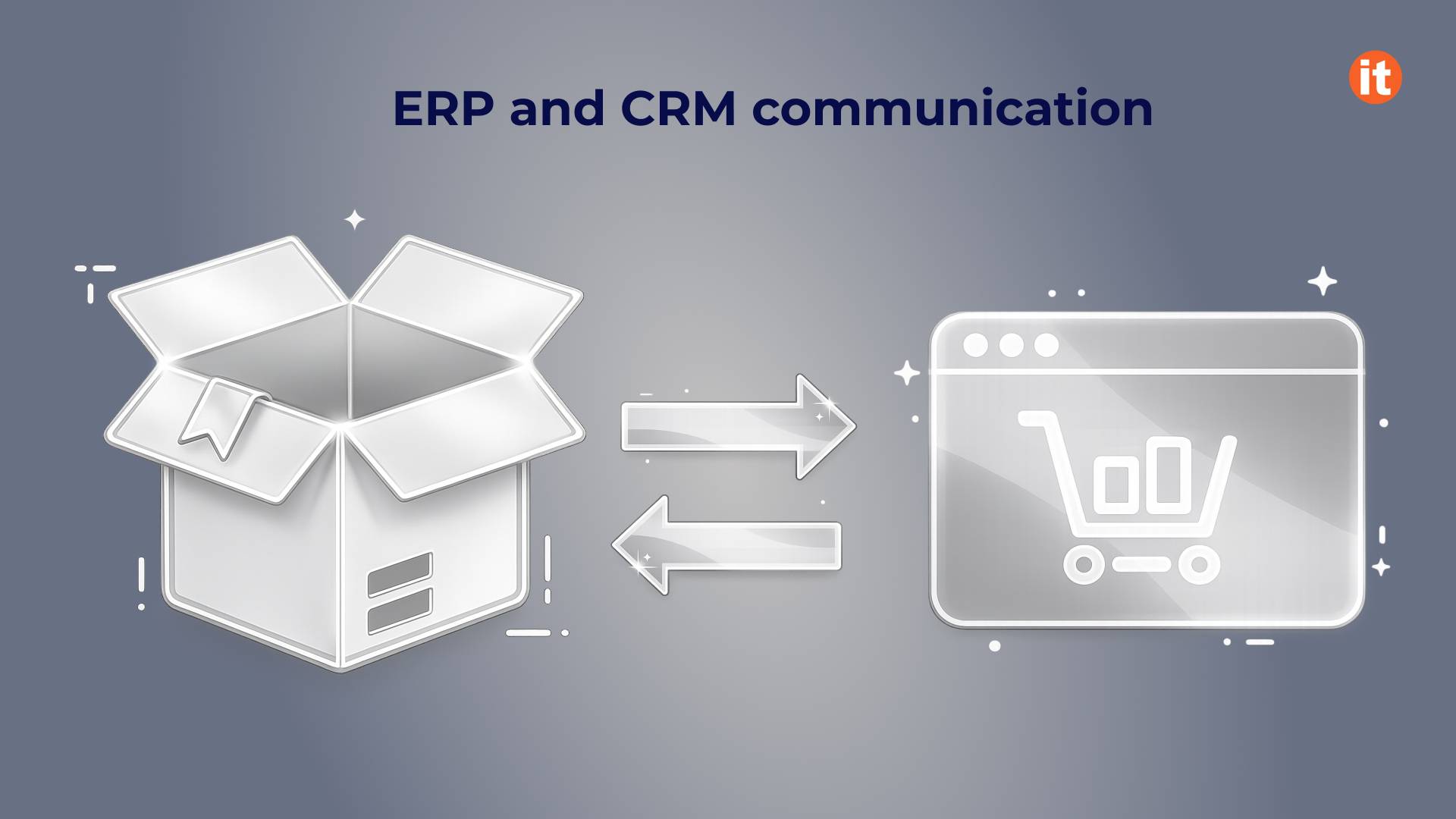
To connect separate systems and bring everything together, Microsoft offers several specialized products. Here, Dynamics 365 Commerce serves as the key tool that keeps retail operations in sync across all channels.
Inventory Visibility
Customers get real-time info on product availability across warehouses, physical stores, and online platforms. At the same time, retailers can track performance in real-time too, allowing them to adjust strategies quickly based on current market demands or customer feedback.
Decision Making
Detailed insights into demand patterns help retailers optimize their inventory allocation and reduce operational waste.
Omnichannel Benefits
If an item is out of stock online, the system can locate a nearby store that has it, allowing options such as BOPIS (Buy Online, Pick Up In-Store) or BORIS (Buy Online, Return In-Store), curbside pickup. Meanwhile, “Commerce Headquarters” enables centralized management of discounts, loyalty points, and pricing.
Factor 2: You choose an ERP that centralizes and automates your operations.
A global retail system that brings together financial management and daily operations is needed. With a unified view of inventory, retailers can avoid stockouts, overstocking, and unsold goods.
Dynamics 365 Finance and Operations (Supply Chain Management) provides this critical infrastructure, transforming disparate data into a synchronized engine for optimized supply chains and high-precision financial planning.
Automate Supply Chain
Centralize Financial Data


Factor 3: You adopt AI as an assistant for ERP
AI and Machine Learning are no longer just futuristic ideas. Today, they are built into modern ERPs, helping retailers work more efficiently and connect better with customers.
In the Dynamics ecosystem, Microsoft Copilot is the cornerstone of AI-enabled activities across the previously mentioned products.
Supply Chain Management
Financial Operations
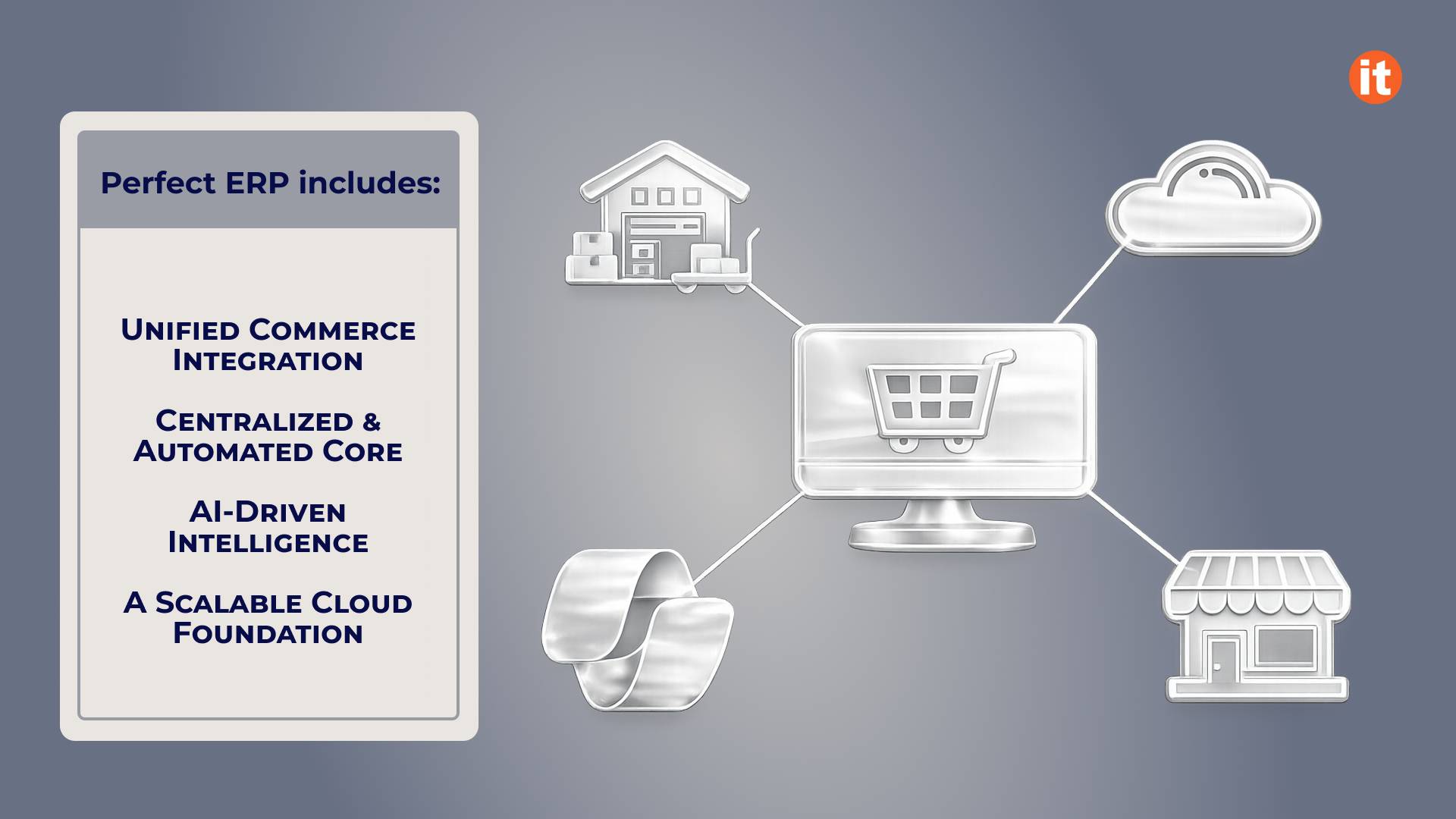
Factor 4: You have a reliable foundation
The foundation of this ecosystem is Microsoft Azure, which offers strong security and a global network to support large-scale ERP operations. Moving quickly from on-premises hardware to the cloud has made retailers more flexible by enabling easier scaling and access to systems from anywhere. With cloud-based ERPs, retailers can grow their businesses without spending heavily on new infrastructure.
Summary
There are 4 factors that make your ERP retail-oriented.
Unified Commerce Integration
By “befriending” your ERP and CRM through Dynamics 365 Commerce, you eliminate data silos, delivering a seamless omnichannel experience and ensuring real-time inventory visibility and consistent pricing across all digital and physical touchpoints.
Centralized & Automated Operations
Dynamics 365 Finance and Supply Chain Management replaces fragmented manual processes with a unified platform that automates complex financial structures and supply chain management.
AI-Driven Intelligence
With Microsoft Copilot as your assistant, you move from reactive to proactive management, where AI predicts demand shifts, automates financial reconciliations, and mitigates supply chain risks before they impact your bottom line.
A Scalable Cloud Foundation
Built on Microsoft Azure, your ERP gains enterprise-grade security and the flexibility to scale across new regions or digital channels without the prohibitive costs of traditional on-premise infrastructure.