
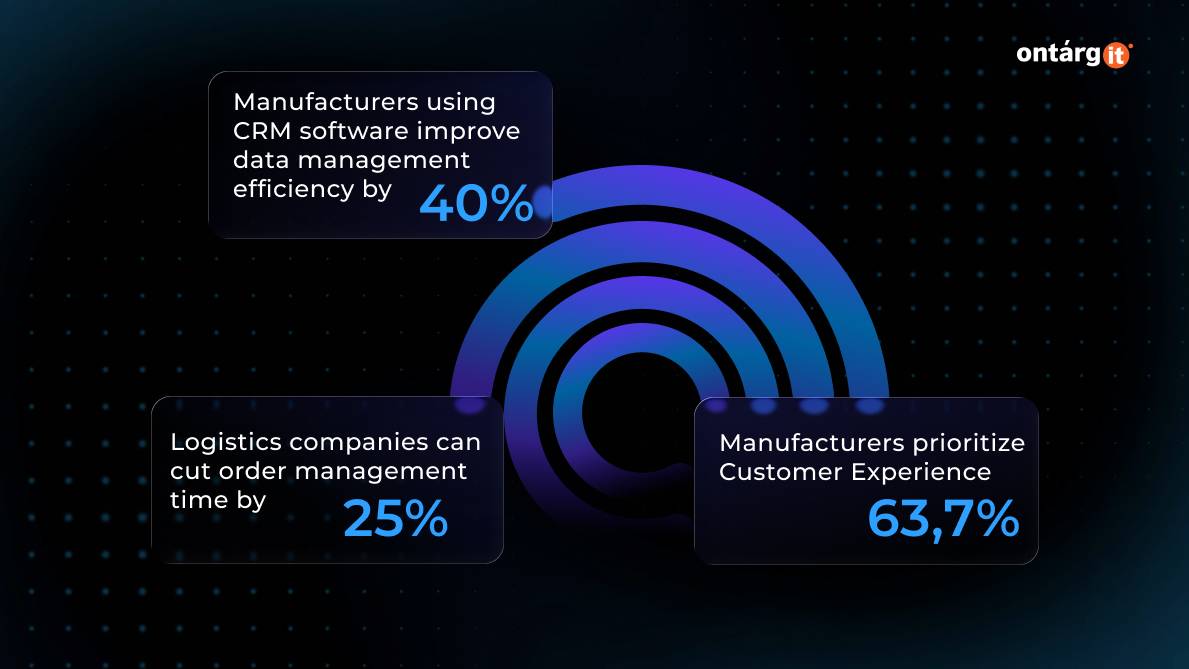
Even if you only work with ten clients you know by name, you’d better have CRM anyway. Research shows that manufacturers using CRM software improve data management efficiency by 40%, and logistics companies can cut order management time by 25% (by LBS Cloud).
Why is CRM helpful? Because even if you have a dozen clients, your sales cycles are even longer than any B2C and involve many people and processes. By mapping the full customer journey, you build stronger partnerships through better data sharing.
Build Strong Customer Relations
Contracts are high-value and long-term; that’s why 63.7% of manufacturers now focus on Customer Experience as a primary strategy, and more than half see it as crucial to growing revenue through additional services (by Columbus).
CRM platform makes sure no client is missed by tracking every interaction and setting up personalized follow-ups or custom product suggestions.
Also, tools like Dynamics 365 Sales and Customer Insights help build long-term customer relationships by personalizing experiences deeply, using full communication records and smart AI alerts. This allows companies to create the best customer experiences that match customer actions and preferences across all platforms.
In addition, using SLAs in Dynamics 365 Customer Service helps us monitor service performance and goals, prioritize cases, and send reminders to customer service staff.
Altogether, these tools automate many manual tasks, letting employees focus more on building stronger relationships, which leads to happier customers, greater engagement, and better sales results, and creates deep-seated loyalty.
The need in 360-Degree Customer View
Customer view is not only for B2C, but modern B2B buyers no longer accept “one-size-fits-all” service. Personalization increases Customer Lifetime Value, which boosts revenue. This happens because treating customers as individuals, not just account numbers, creates loyalty that competitors find hard to match.
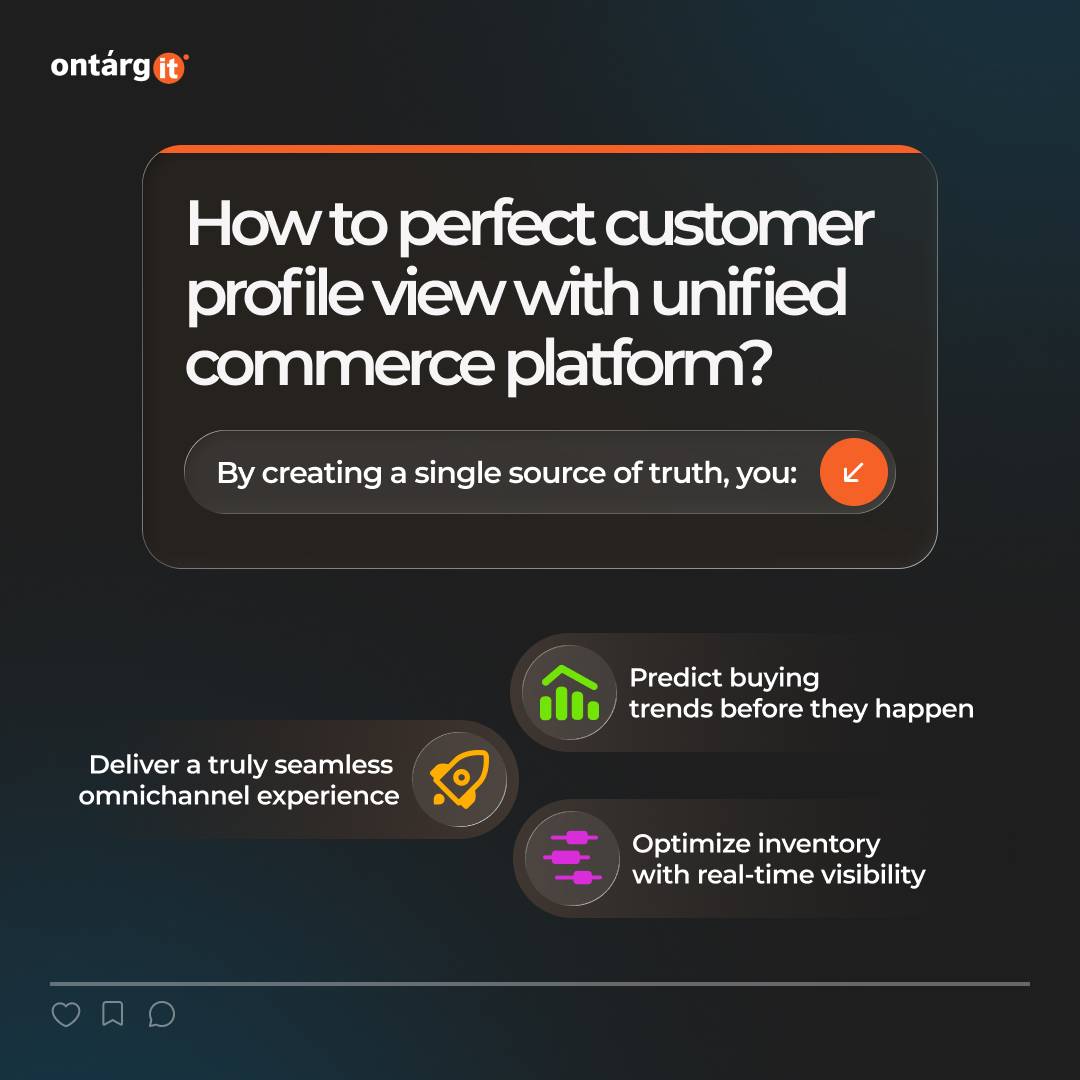
Dynamics 365 Customer Insights is a Customer Data Platform (CDP) that collects and studies data from many sources to create a complete 360-degree view of the customer. By bringing together data from sales, marketing, production, and support into one platform, manufacturers get a complete view of the client and create a single source of truth.
With features like self-service portals for distributors, where they can register a sale or file a warranty claim. They can then track the status and handle all communication within the portal. It’s even automating the request processing itself: stages, responsible parties, required checks and approvals, and limiting the number of requests across different channels, etc.
Collect the Feedback
Besides managing relationships, a CRM provides important real-time feedback for the production floor. Getting complaints right away helps quickly find defects and improve product designs step by step based on real-world use.
The integration of Dynamics 365 Customer Voice with Customer Insights allows for the seamless collection and analysis of customer feedback across multiple touchpoints, including notes from past conversations and purchase history.
Also, this connection speeds up the time it takes to bring products to market. By making communication smoother between sales, marketing, and production teams, manufacturers can remove delays and move products from idea to final delivery much faster.
If the customer wants to return something, Dynamics 365 Field Service comes in handy. An RMA (Return Merchandise Authorization) is the first record made to track the customer’s return request and collect all needed details. It lets organizations set a “processing action,” like sending the item back to a warehouse, changing who owns it, or starting a return to the vendor.
An RTV (Return to Vendor) is a follow-up record made from an RMA when a product must be sent back to the original manufacturer. This process helps the organization keep track of items sent back to suppliers and handle the credits they should receive for those returned parts.
In an industry where being quick is a competitive advantage, this coordinated workflow makes sure the “back office” always matches the needs of the “front office” and customers.
Summary
Even with a small number of customers, CRM transforms how manufacturers operate. By centralizing information, personalizing service, and automating processes end-to-end, you set the stage for stronger partnerships, faster response times, and real business growth. When every interaction counts, the right CRM is not just helpful—it’s essential.