

У 2024 році ОАЕ імпортували автомобілів на суму 20,6 млрд доларів США, що зробило країну тринадцятим найбільшим імпортером автомобілів у світі, причому більшість цього обсягу постачали Китай, США та Японія (OEC, дані UN Comtrade, 2024). Ці автомобілі надходять через невелику кількість імпортерів і потрапляють до покупців через дилерські мережі, які переважно працюють у власних системах. Саме на стику між цими двома сторонами інформаційний запис втрачає цілісність — і саме тут дилерська система управління або виправдовує свою вартість, або перетворюється на дорогу другу таблицю.
Де закінчується запис імпортера і починається запис дилера
Система імпортера добре знає автомобіль протягом перших місяців його життєвого циклу. Автомобіль налаштовується на сайті виробника, імпортується в систему, резервується, відправляється, проходить передпродажну перевірку (PDI), а потім продається дилеру — кожен етап фіксується в одному головному записі. Система дилера підхоплює той самий автомобіль на етапі резервування та супроводжує його до моменту продажу клієнту.
У дилерській мережі більша частина цього процесу передачі інформації відбувається через електронну пошту та спільну таблицю.
Цей розрив породжує конкретний набір проблем, а не просто загальне відчуття незручності. Двоє людей можуть надати дві різні відповіді на питання, чи доступний автомобіль за певним VIN. Розподіл автомобілів здійснюється на основі даних про залишки, які були актуальними ще вчора вранці. А коли дилер запитує, чому поставка конкретного автомобіля затрималася на три тижні, ніхто не може надати єдину історію статусів, оскільки ця історія зберігається у двох системах і поштовій скриньці.
Один запис про автомобіль, дві системи
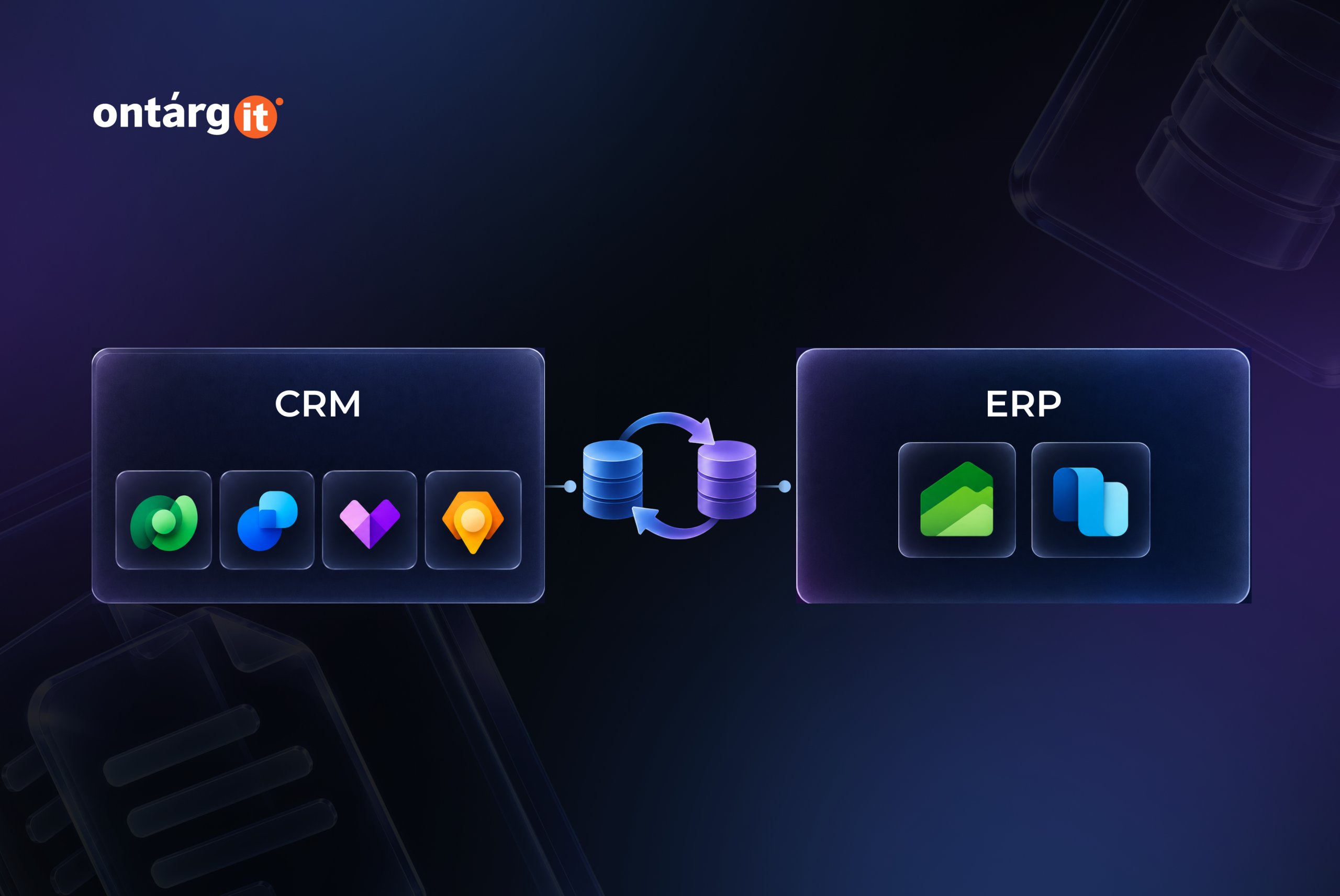
OntargIT IDMS побудована як дві інтегровані частини. CRM-частина працює на базі Dynamics 365 Sales, Customer Service та Field Service і охоплює процес продажу, тест-драйви та післяпродажну комунікацію. ERP-частина працює на базі Dynamics 365 Finance, Microsoft Dynamics 365 Supply Chain Management та Dynamics 365 Human Resources і охоплює життєвий цикл автомобіля, запчастини, сервісне обслуговування, логістику та фінанси.
Такий поділ відповідає тому, як працюють імпортери. Продавцю в автосалоні та планувальнику в імпортному відділі потрібні різні застосунки — але їм не потрібні різні записи про автомобіль.
Інфраструктура Microsoft dual-write забезпечує синхронізацію між двома сторонами. Вона забезпечує майже реальну двонаправлену інтеграцію між застосунками для фінансів та операцій і Dataverse, завдяки чому зміна даних з одного боку записується і на іншому. Серед задокументованих сценаріїв — інтегрований головний запис клієнта та уніфікований підхід до керування основними даними про продукти.
Для дилерської системи управління практичний результат полягає в тому, що резервування, яке здійснює дилер, і розподіл автомобілів, який планує імпортер, працюють з одного запису, а не з двох копій, які потрібно постійно узгоджувати.
Що бачить дилер, коли відкриває портал
Дилерський портал IDMS показує актуальні залишки, дозволяє дилеру зарезервувати автомобіль, створити запит на продаж і обмінятися автомобілями з іншим дилером у мережі.
Але те, що знаходиться під інтерфейсом, важливіше за сам екран. Додаток Inventory Visibility для Dynamics 365 Supply Chain Management централізовано відстежує статус запасів — наявні, замовлені, придбані, у дорозі, повернуті та ізольовані — у різних джерелах даних, складах і локаціях, а його RESTful API повертає записи про наявні запаси зовнішнім системам майже в реальному часі. Дійсна ліцензія Supply Chain Management завжди включає цей компонент.
VIN як джерело фінансової істини на рівні одиниці
IDMS використовує VIN або серійний номер як фінансовий вимір, розподіляючи витрати на доставку, митні збори, ризики, страхування, контроль якості та накладні витрати на конкретний автомобіль.
Для імпортера це змінює саме розуміння маржі. Собівартість автомобіля з урахуванням усіх витрат перестає бути середнім показником, розподіленим на всю партію, і стає показником, прив’язаним до конкретного автомобіля, який знаходиться на майданчику. Коли автомобіль переміщується між дилерами, його собівартість переміщується разом із ним, тому внутрішнє переміщення між дилерами більше не призводить непомітно до перерозподілу маржі по дилерській мережі.
Це також додає фінансовий фактор до процесу розподілу автомобілів, а не залишає його виключно логістичним. Планувальник може бачити, які автомобілі мають найвищу собівартість з урахуванням усіх витрат, і розміщувати їх там, де вони найшвидше будуть реалізовані.
Про автомобільну практику OntargIT
OntargIT впроваджувала Dynamics 365 для автомобільних імпортерів та їхніх дилерських мереж, зокрема для Toyota Ukraine, яка управляє понад 35 дилерськими центрами, та Winner Imports — імпортера Ford, Volvo, Jaguar, Land Rover, Porsche та Bentley, що працює через 47 дилерських центрів. Та сама практика охоплює Toyota Motor Kazakhstan та MAN Truck & Bus, поєднуючи впровадження, орієнтовані на CRM, і комплексні ERP-рішення.
Висновок
Питання не в тому, яка система створює кращі звіти. Питання в тому, яка система є власником запису про автомобіль у проміжку між моментом його прибуття та моментом, коли дилер його продає. Якщо цей запис наразі зберігається у двох базах даних і поштовій скриньці, жодна інформаційна панель не зможе узгодити ці дані. Перш ніж оцінювати будь-яку платформу, визначте, де саме сьогодні переривається ваш запис — конкретні точки передачі, конкретні таблиці. Замовте безкоштовну консультацію з OntargIT, щоб зіставити цю карту з архітектурою Dynamics 365.